
Panificadora Emanuel: repeated oven gas-consumption results
Across three oxyhydrogen-assisted production cycles on a metered industrial bakery oven, average natural-gas consumption was 27.6% lower than the natural-gas-only baseline, while average baking time was 3.5% shorter.
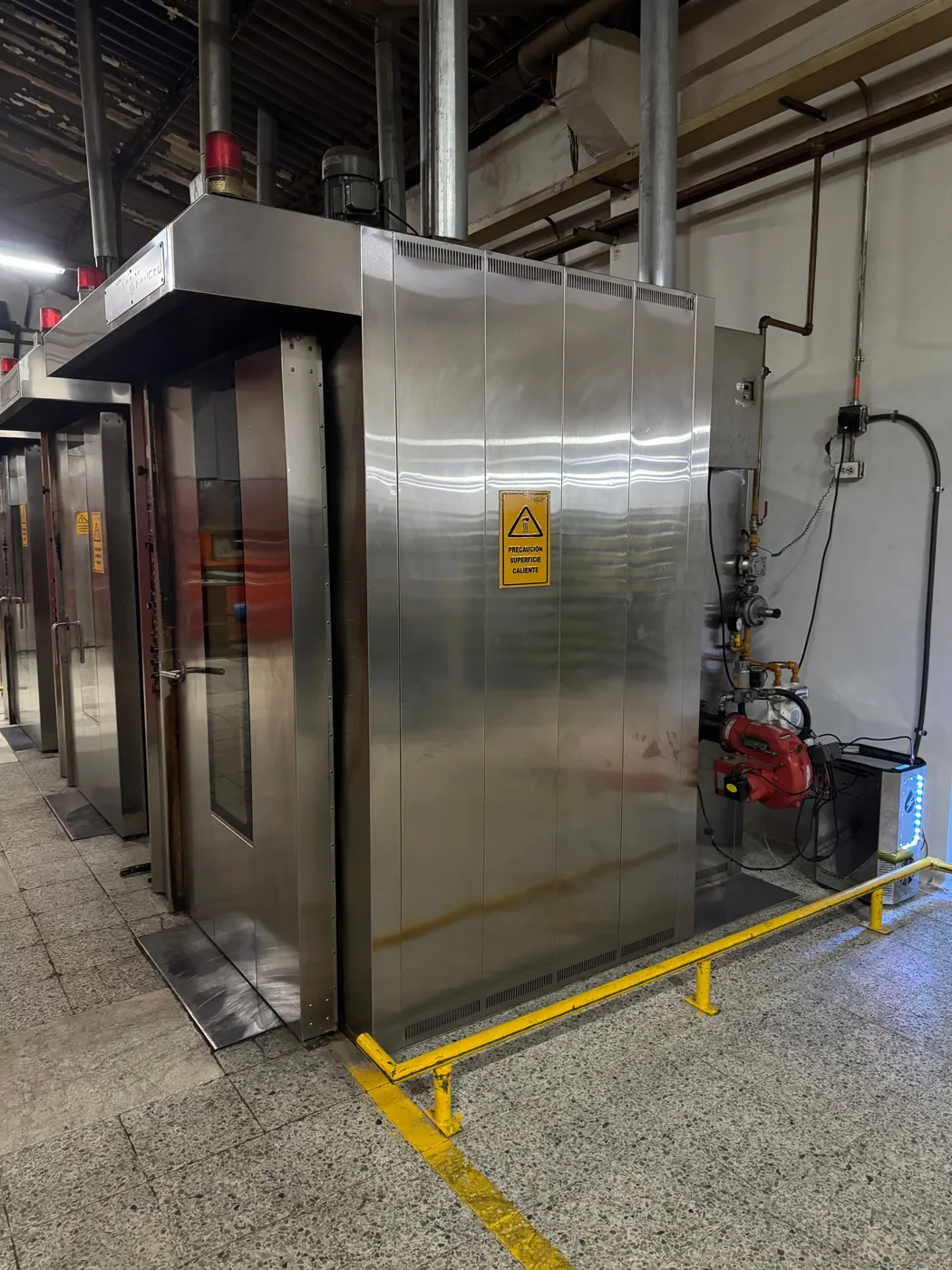
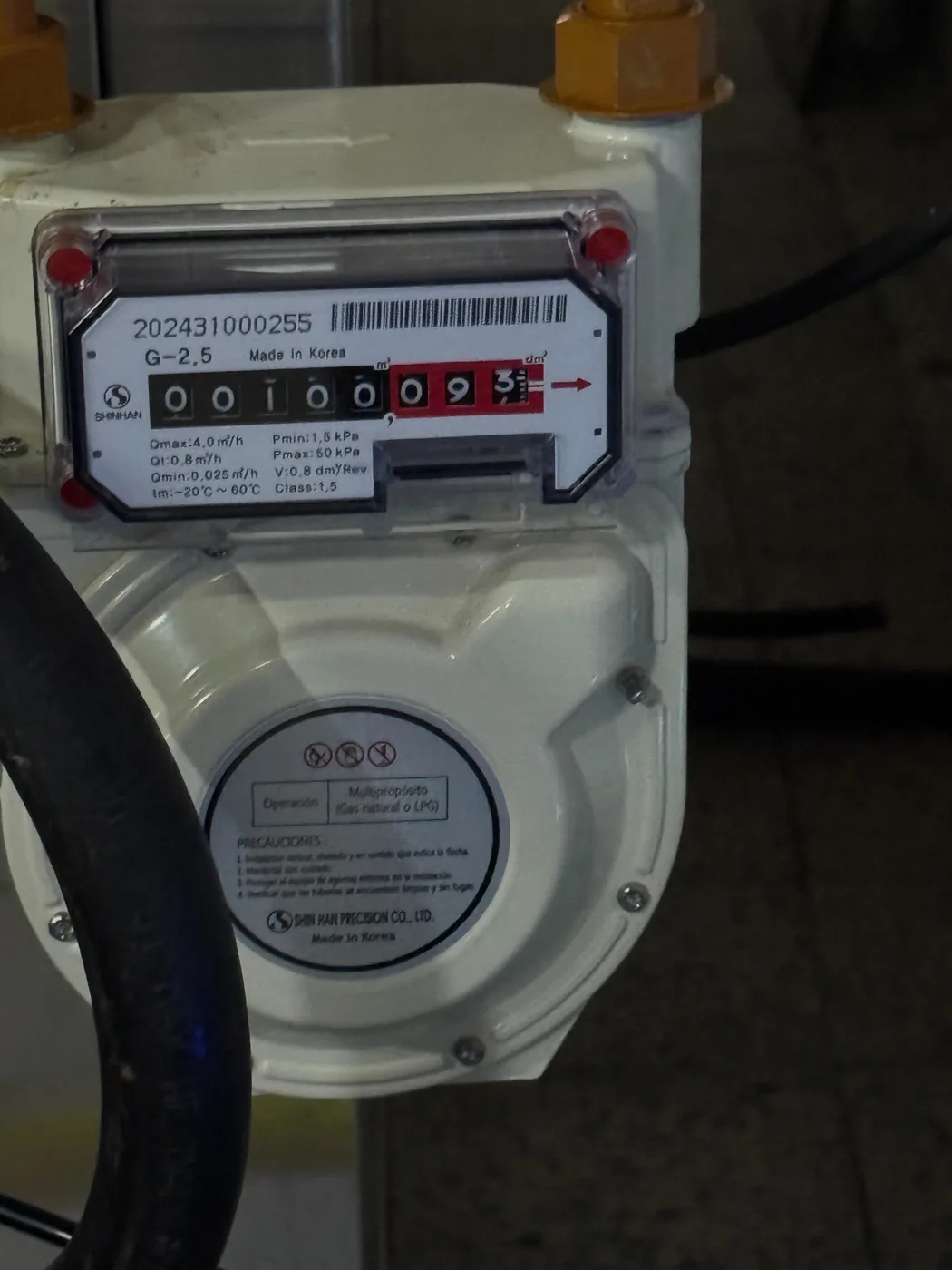
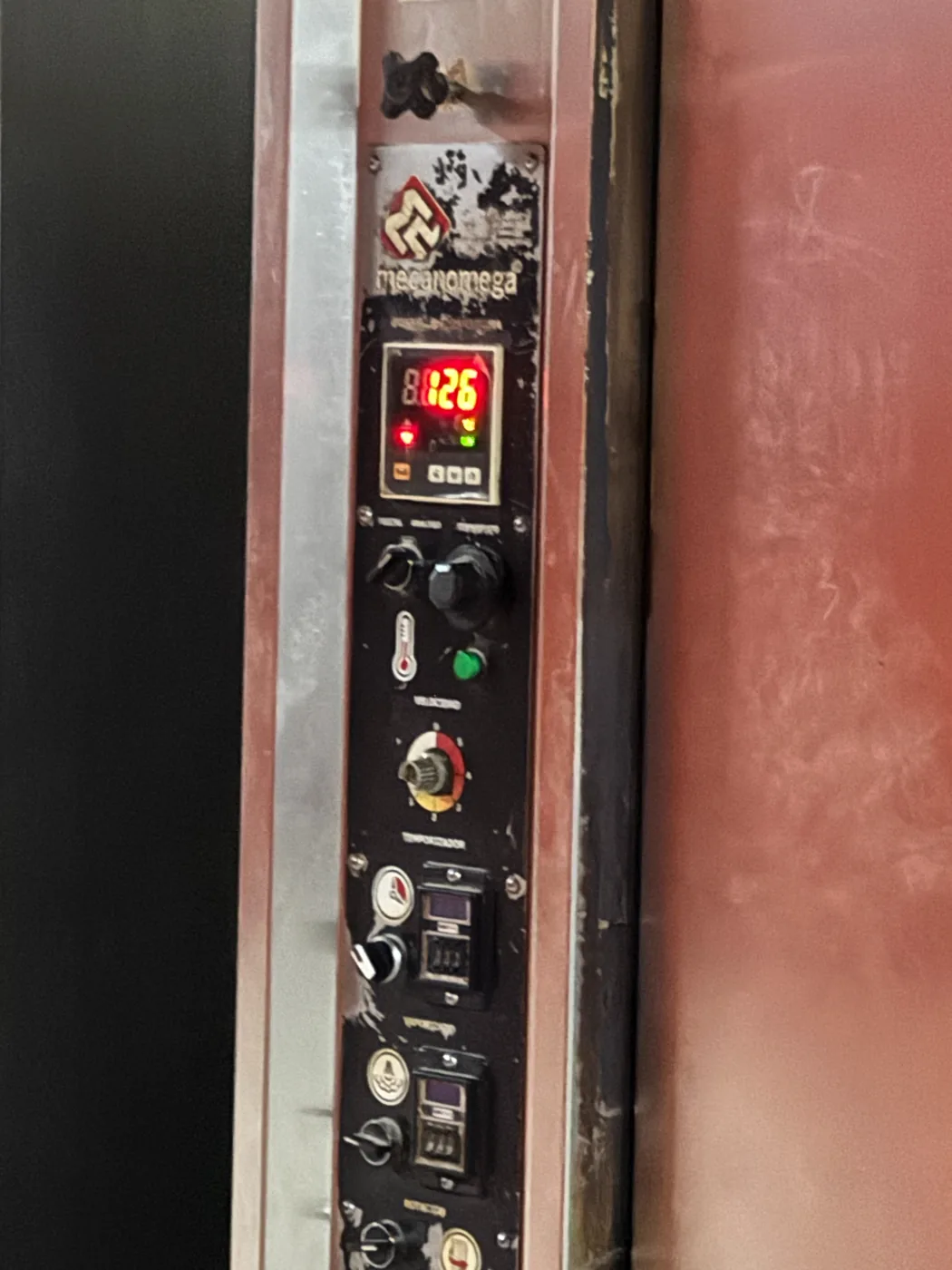
Field testing on a metered Mecanomega 2 industrial bakery oven compared natural-gas-only operation with on-site oxyhydrogen assistance. The latest production dataset adds three repeated hamburger baking cycles to the earlier heating comparison.
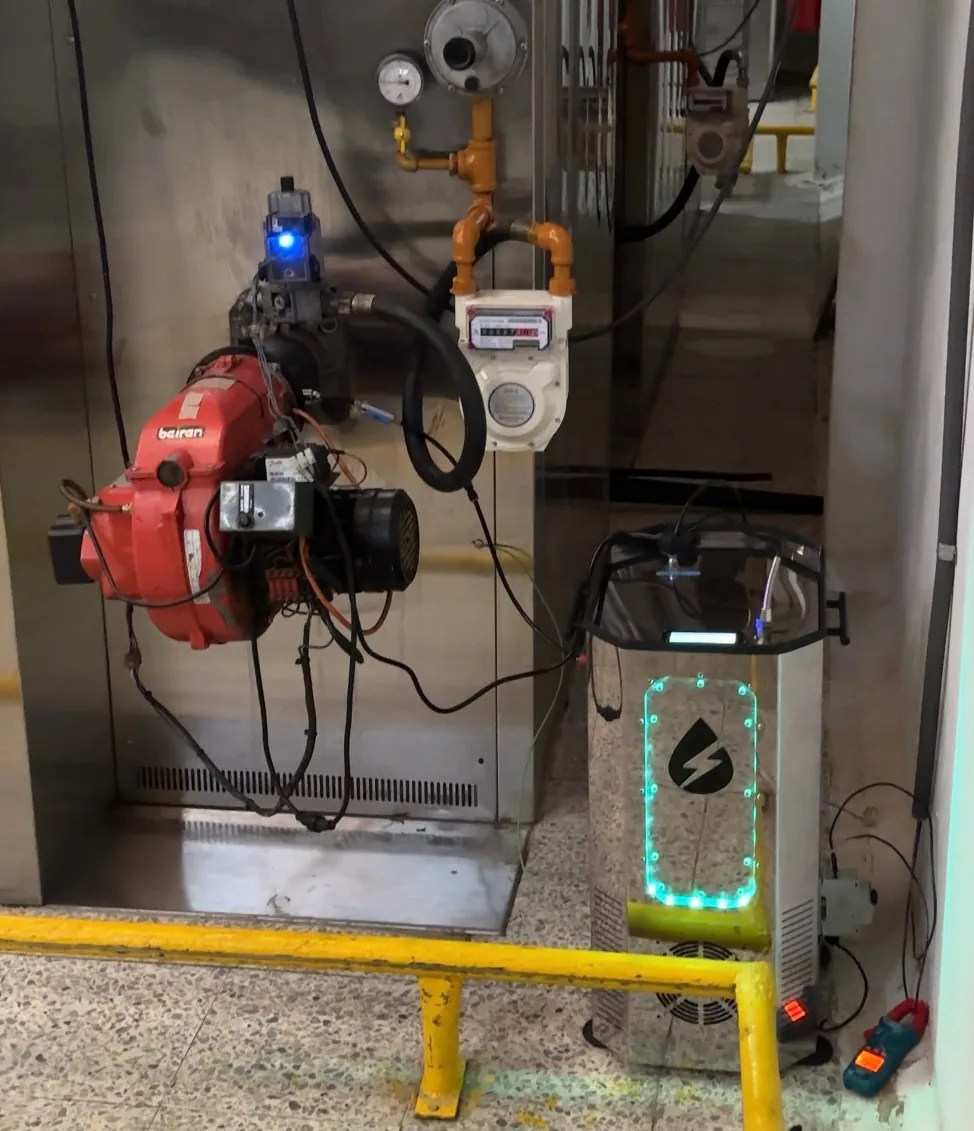
ElectrolyzerW installation beside the Mecanomega 2 oven burner in Bogotá, Colombia.
Repeated production-cycle results
The comparison used one natural-gas-only hamburger baking cycle as the baseline and three oxyhydrogen-assisted cycles. Every assisted run used less natural gas than the baseline.
Natural gas only
- Gas consumed
- 2.746 m³
- Baking time
- 663 seconds
- Product
- Hamburger buns
Natural gas + oxyhydrogen
- Average gas consumed
- 1.989 m³
- Average baking time
- 640 seconds
- Measured gas range
- 1.957–2.036 m³
Measured outcome
- 27.6% average reduction in natural-gas consumption versus the baseline cycle.
- 3.5% shorter average baking time—640 seconds versus 663 seconds.
- 28.7% best gas reduction among the three assisted runs.
- 11.8% best time improvement—585 seconds versus 663 seconds.
- Two of the three assisted cycles finished faster than the natural-gas-only baseline.
Earlier heating and croissant-baking comparisons
Earlier tests recorded additional time improvements under different protocols. They are reported separately from the newer repeated hamburger-cycle dataset because the products, endpoints, and operating conditions differed.
Oven heating event
- Natural gas only
- 7 minutes
- Natural gas + oxyhydrogen
- 4 minutes
- Time reduction
- 42.9%
- Gas reduction
- 16.7%
Croissant baking test
- Natural gas only
- 19.5 minutes
- Natural gas + oxyhydrogen
- 15 minutes
- Time reduction
- 23.1%
- Time saved
- 4.5 minutes
The croissant comparison also recorded natural-gas consumption of 2.673 m³ without assistance and 2.379 m³ with assistance—an 11.0% reduction for that measured batch.
Don Edgar on oven performance
“The ovens reach the programmed temperature quickly, and the baking cycles are noticeably more agile. The equipment is easy to operate when the operator monitors the system and maintains the proper liquid level.”
Don Edgar
Oven operator, Panificadora Emanuel
Translated from Spanish and condensed for clarity. This is an operator observation, not a universal performance guarantee.
Emar on production time
“It has worked very well. Everything is operating optimally now, and completing this batch takes about 20 minutes less on average. You can see the temperature continuing to rise even with the doors open.”
Emar
Baker, Panificadora Emanuel
Translated from Spanish and condensed for clarity. This is an operator observation, not a universal performance guarantee.
What the results support
The repeated production cycles provide stronger evidence than a single demonstration: all three assisted runs reduced gas consumption by approximately 26–29%. The dataset supports continued controlled evaluation of oxyhydrogen-assisted combustion as a retrofit approach for suitable industrial ovens.
Could your thermal process be evaluated?
Begin with a technical takeoff covering the equipment, fuel, operating schedule, location, and recent consumption data.
Start a technical takeoffView all case studies