
Field evidence, documented with context.
Efena evaluates each application against its equipment, fuel, operating conditions, and measurement approach. These cases distinguish measured site results from customer-reported observations.
A numerical comparison tied to the operating and measurement conditions used at the site.
A qualitative operating or product observation that has not been presented as a controlled numerical result.
A project that will be added only when sufficient baseline and post-installation information is available.
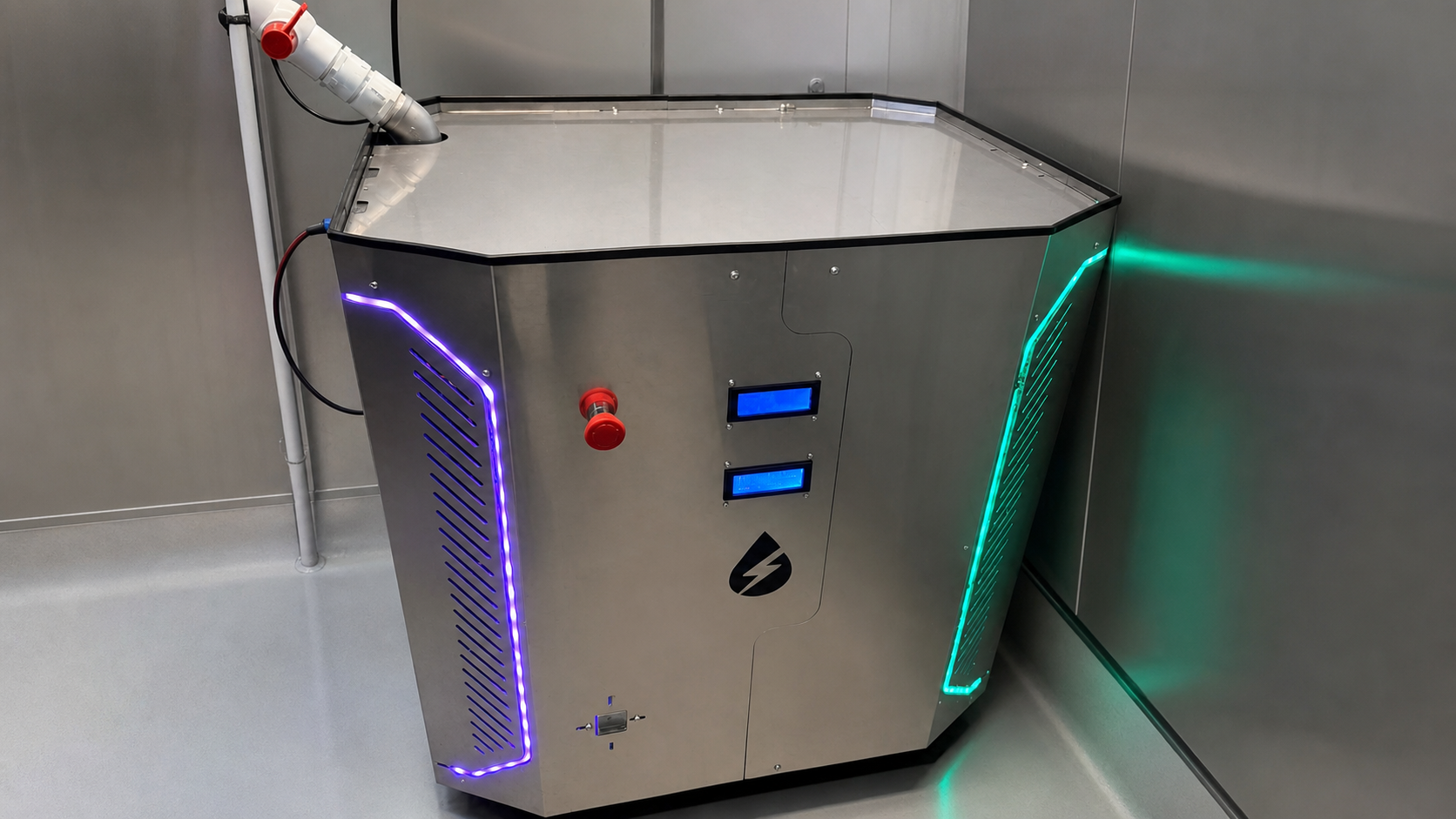
Efena on-site oxyhydrogen equipment in a food-production application.
Arepas El Carriel
A Colombian food producer evaluated an Efena retrofit on a newly installed propane boiler rather than replacing functioning thermal equipment.
Recorded reduction in propane consumption under the operating and measurement conditions used for the comparison—even with a new boiler operating at approximately 95% efficiency before the retrofit.
This preliminary site result is application-specific and is not a universal performance guarantee. Interpretation depends on the baseline, boiler load, production, operating schedule, equipment condition, installation configuration, and measurement method.
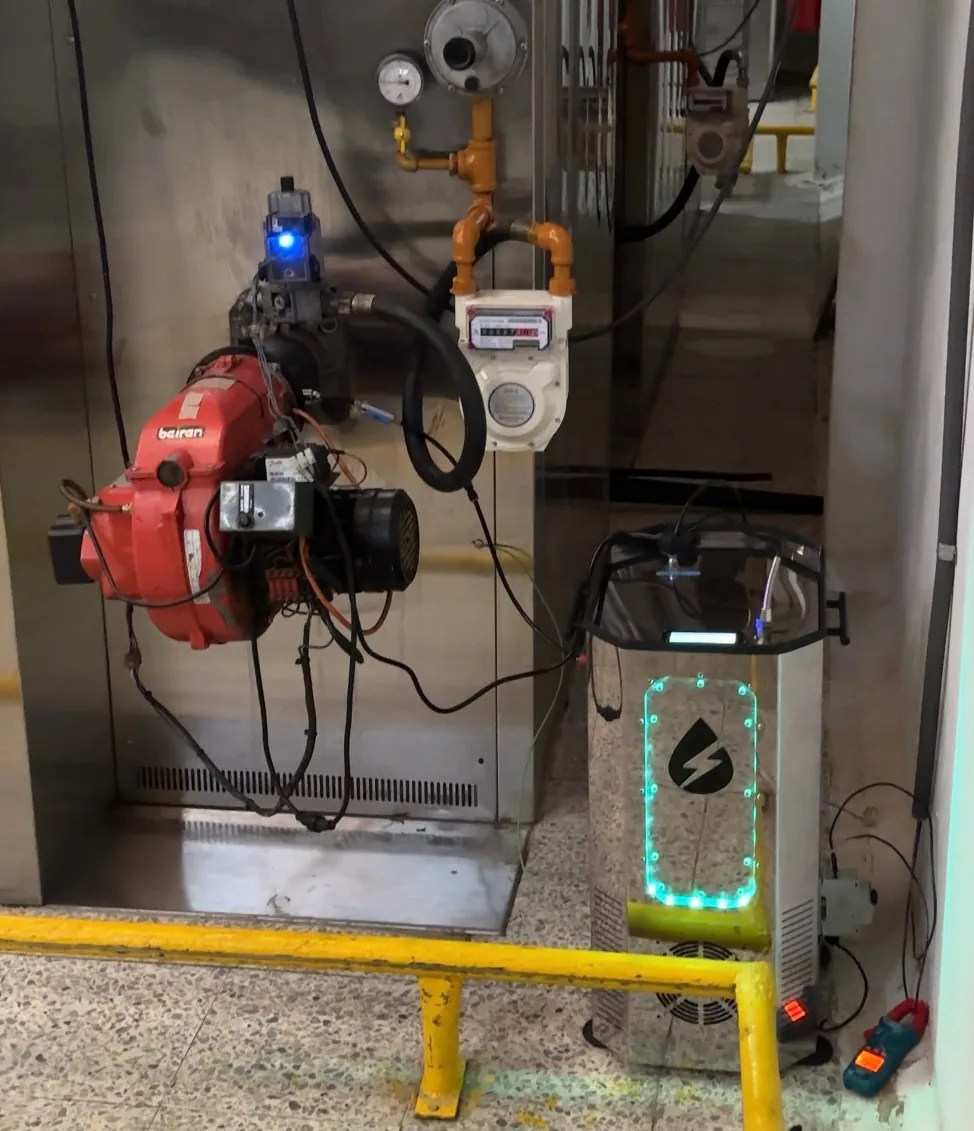
ElectrolyzerW installation documented at Panificadora Emanuel in Bogotá, Colombia.
Panificadora Emanuel
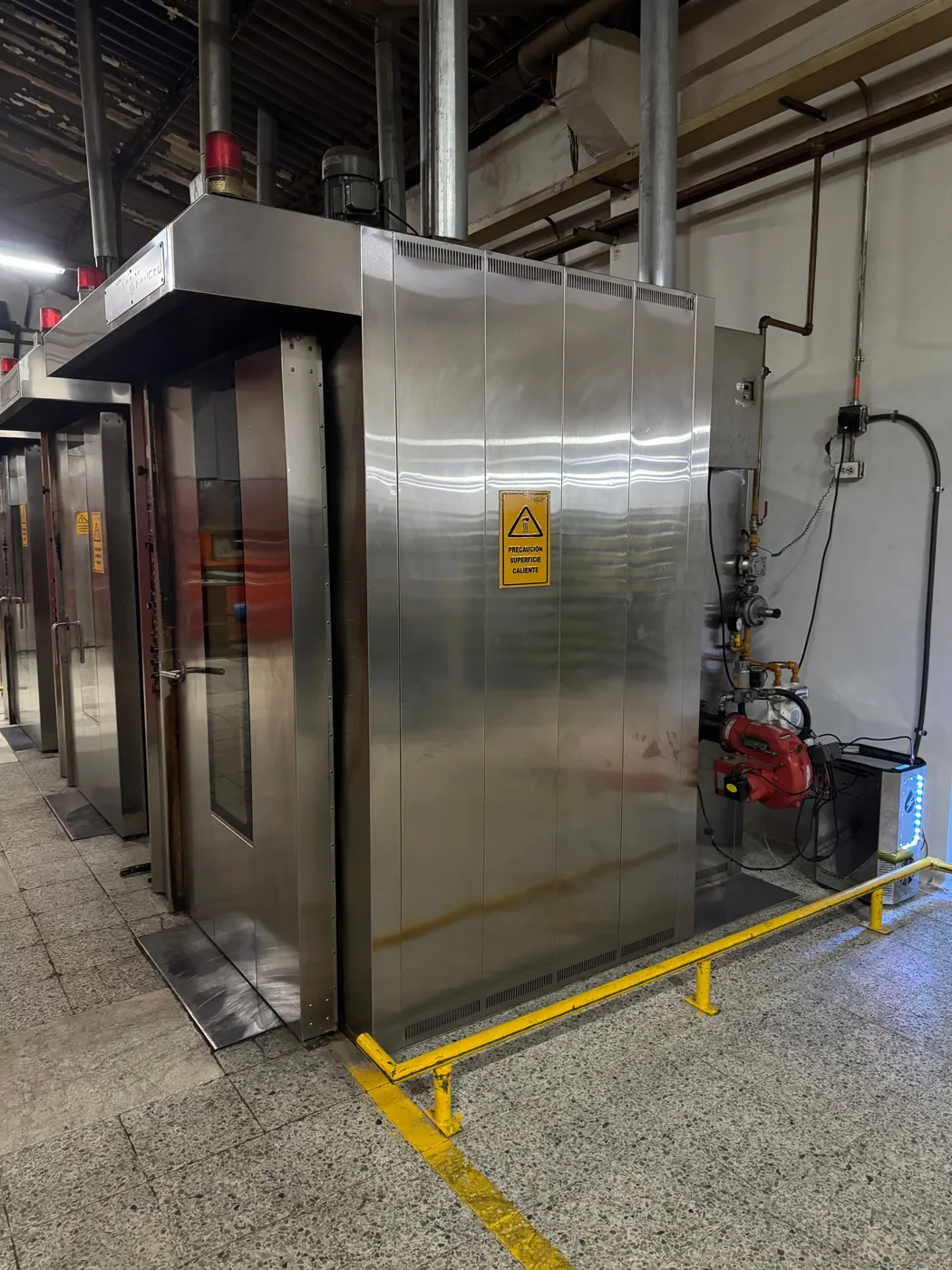
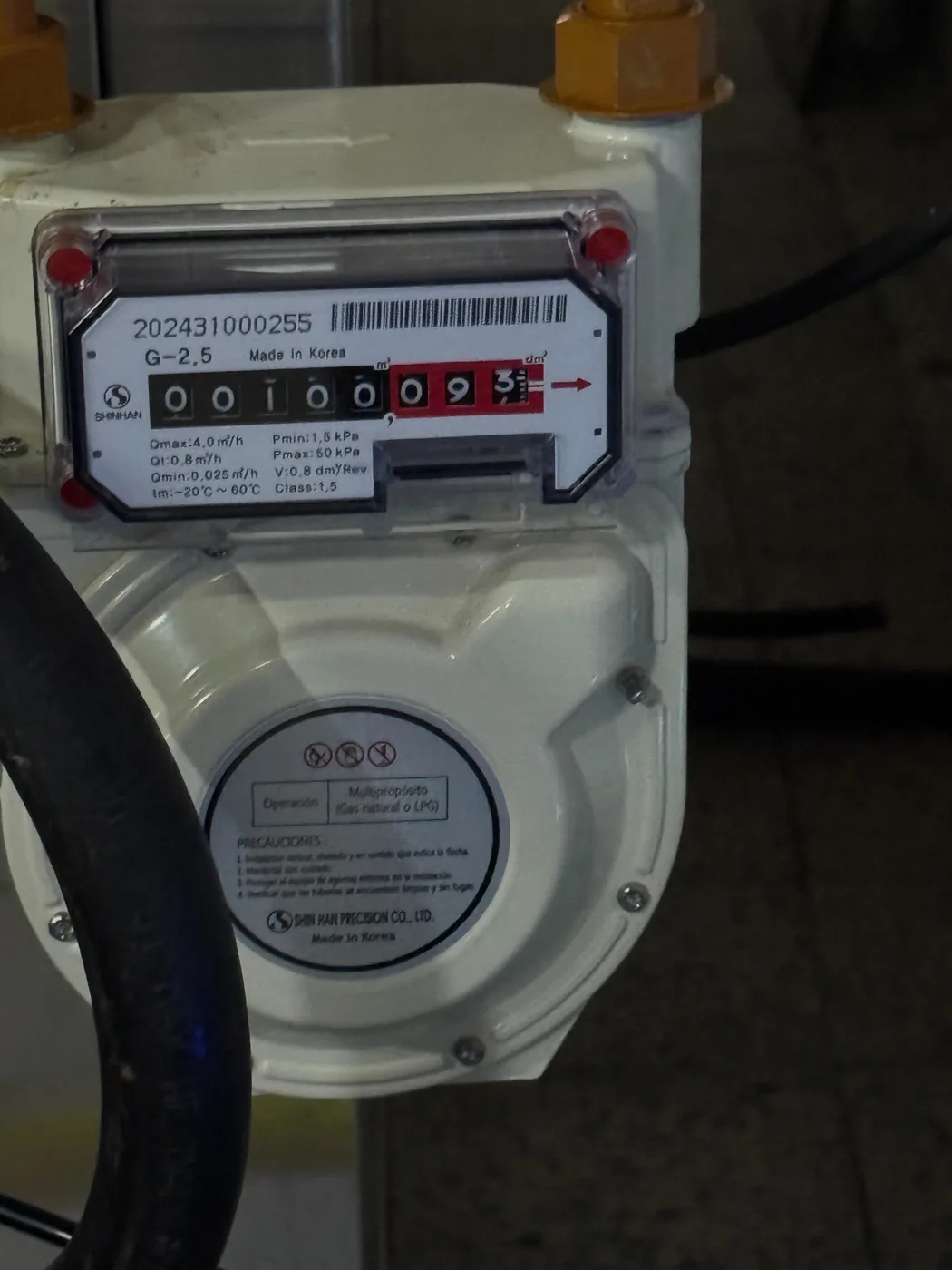
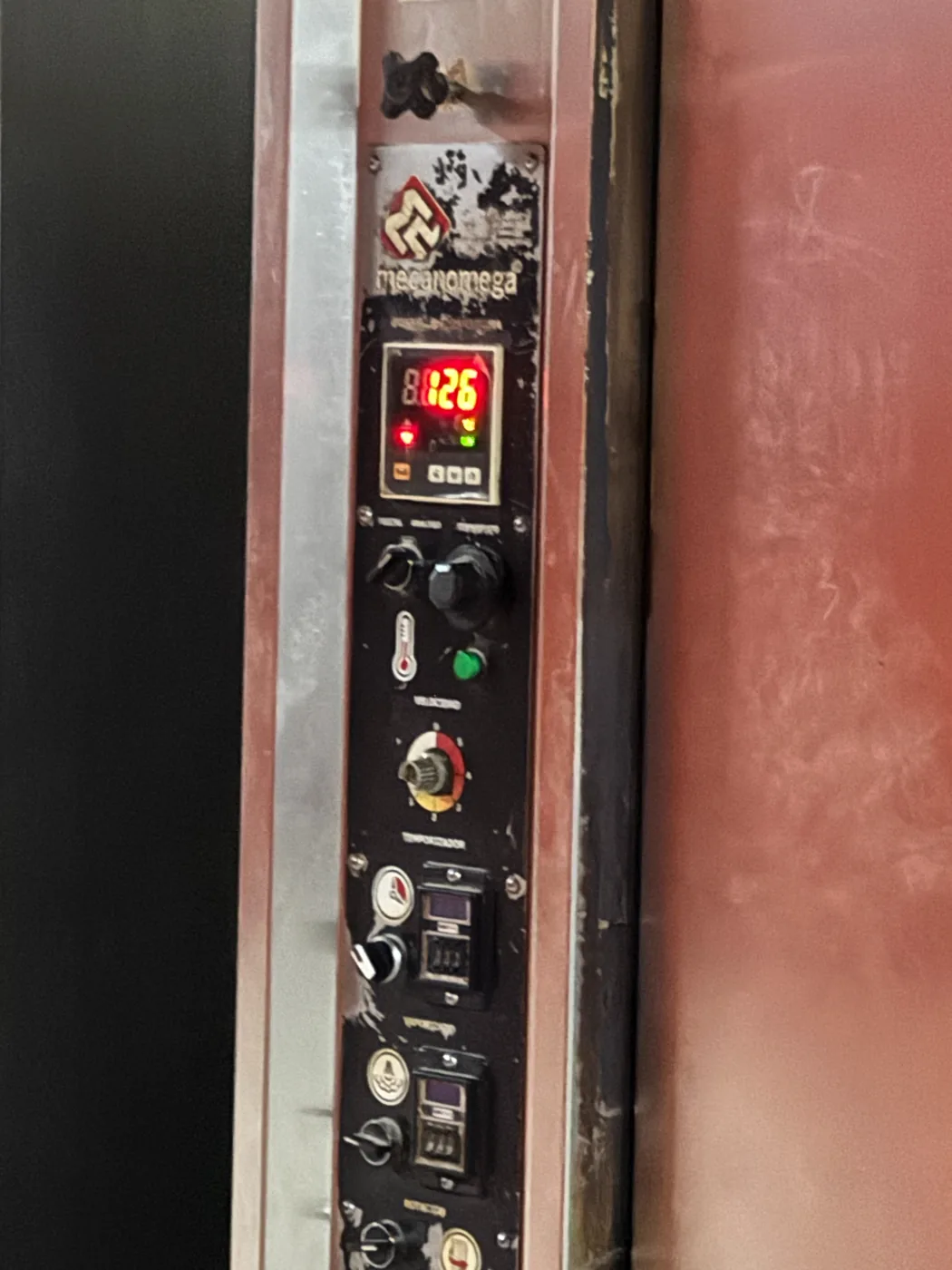
A technical and functional test evaluated an ElectrolyzerW retrofit on a Mecanomega industrial bakery oven using a Bairan turbo burner.
663 seconds
640 seconds average
Measured production outcome
- 27.6% lower average natural-gas consumption versus the baseline cycle.
- 3.5% shorter average baking time, with a best assisted run of 585 seconds—11.8% faster.
- All three assisted runs used less gas, within an approximately 26–29% reduction range.
Earlier studies
16.7% less natural gas
11.0% less natural gas
The heating, croissant, and repeated hamburger tests used different products, protocols, and endpoints. Their results are therefore presented separately and should not be combined into one performance percentage.
Separately from the technical report, bakery personnel reported that the croissants were crisper on the outside while remaining moist inside.
The technical report recommends additional trials under matched conditions and automated control of HHO flow. A normalized conclusion would require repeated tests with the same starting and target temperatures, production load, oven settings, ambient conditions, and measurement procedures.
Noel case study
The Noel project will be added when the baseline, operating context, supporting media, and post-installation information are ready for a responsible public summary.
How Efena presents field evidence
Define the baseline
Document representative fuel use, thermal load, operating schedule, production, and equipment condition before comparing results.
Compare like conditions
Account for variables that can distort a comparison, including load, duty cycle, weather, production, interruptions, and control settings.
State the limitations
Identify whether evidence is measured, preliminary, third-party verified, or based on customer observation—and avoid turning one site result into a universal claim.
Could your equipment become the next documented case?
Start with the equipment, fuel, operating schedule, location, and recent consumption data.